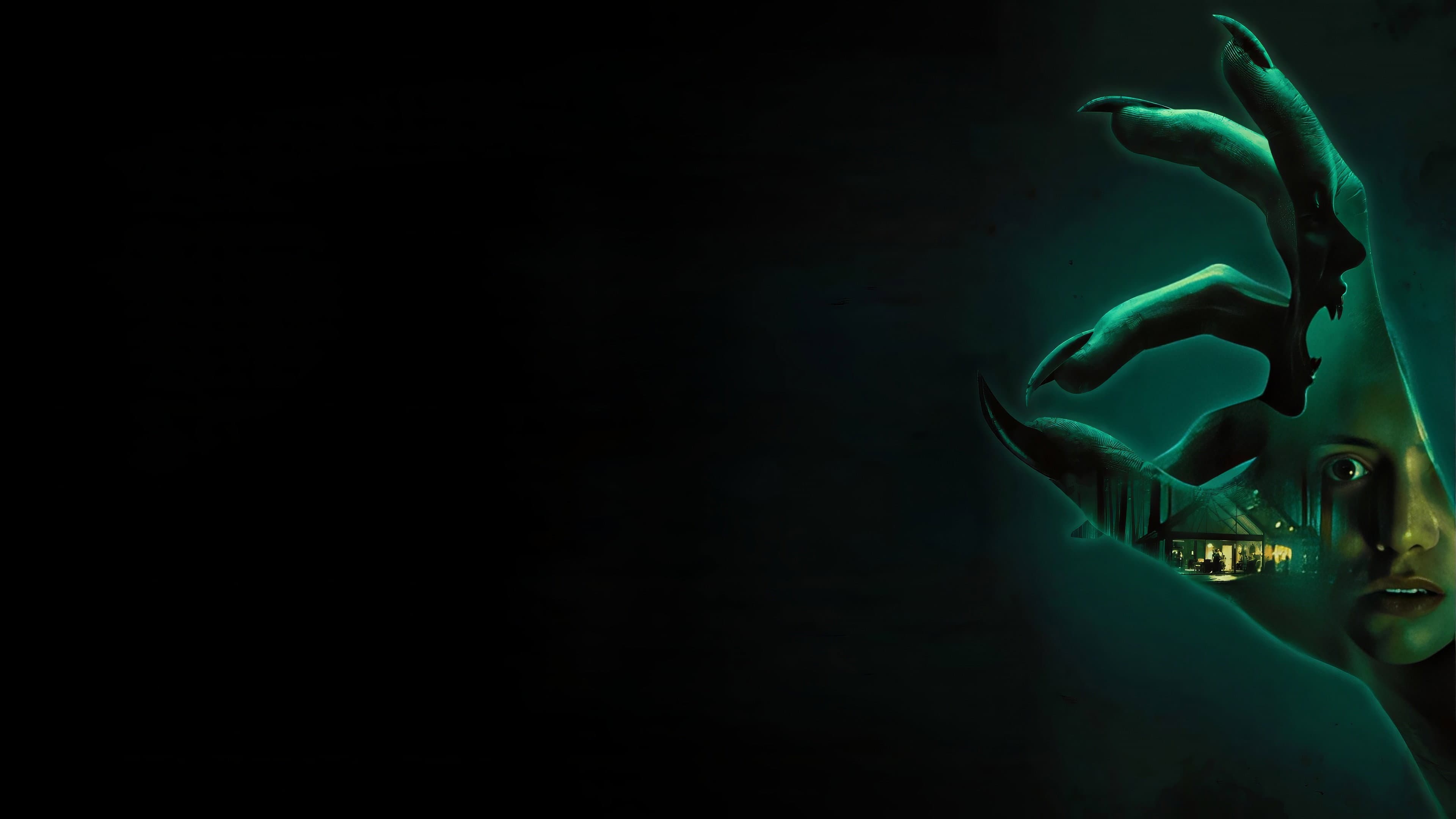
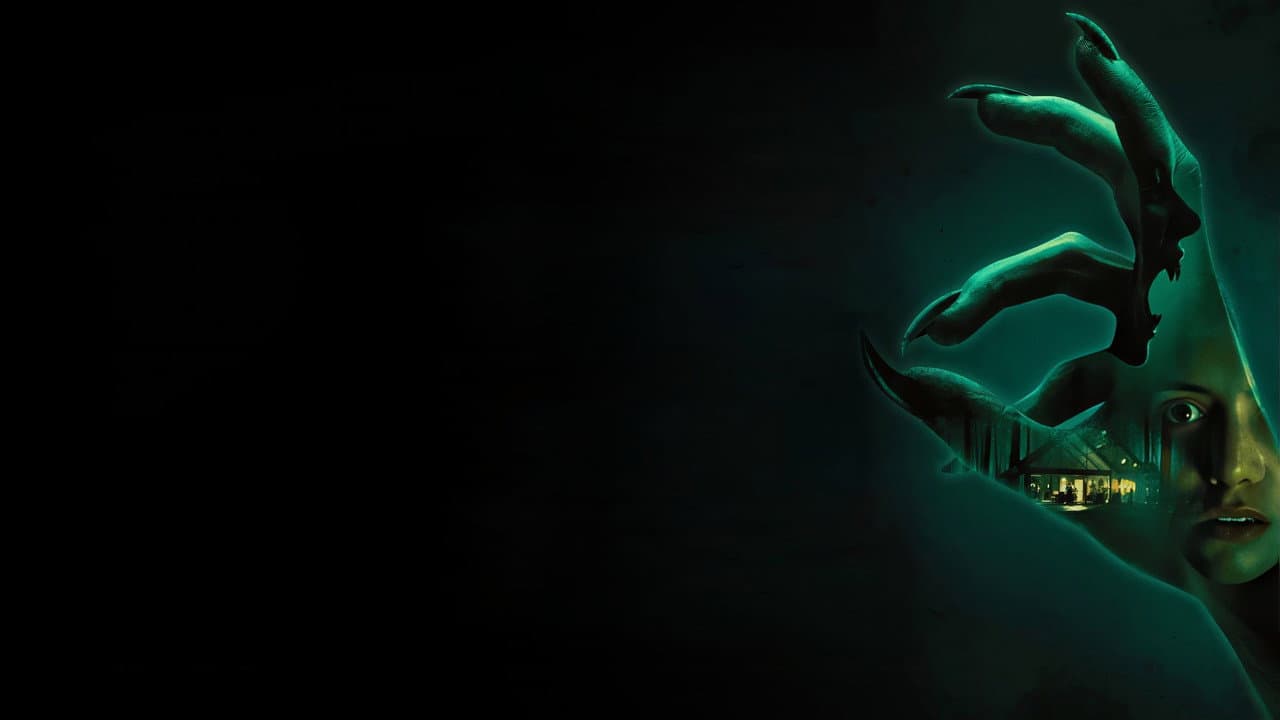
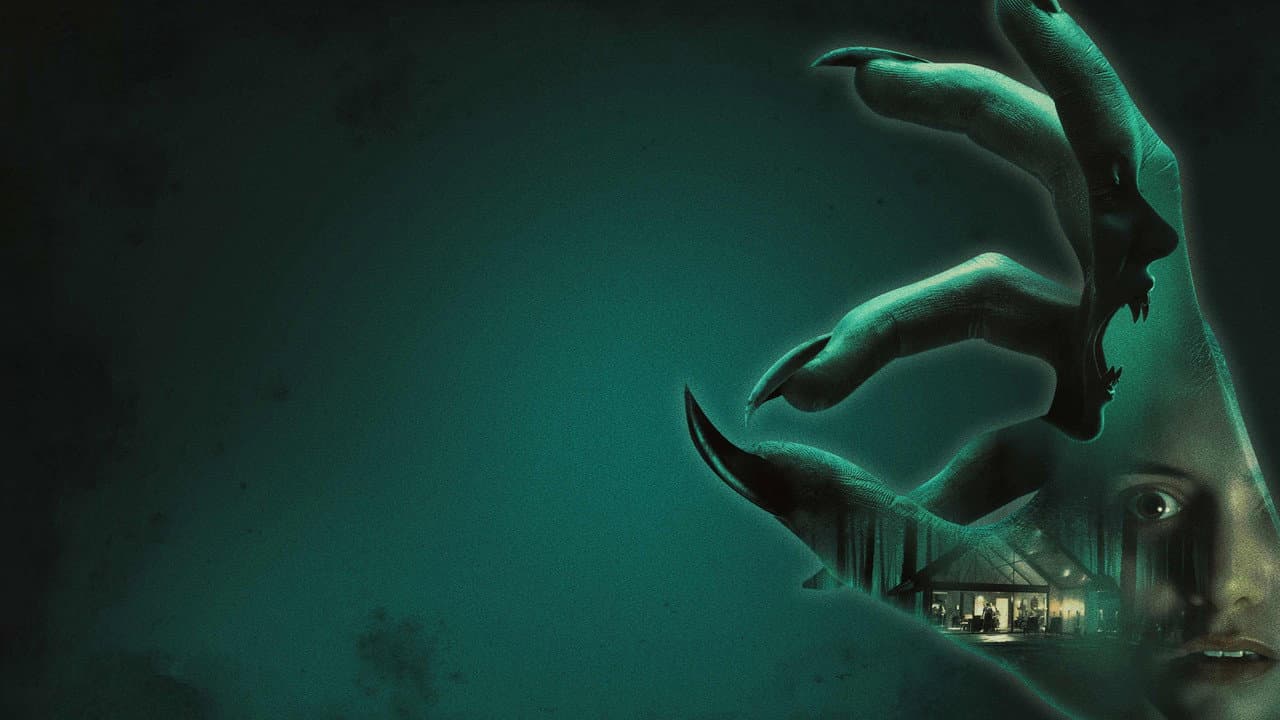
The forest, as any horror fan will tell you, has always been a place where the Wi-Fi dies and something older wakes up. Marco van Belle’s Feed takes that familiar premise and plugs it directly into the anxious heart of the influencer age. Released in August 2026, this lean 82-minute Hollywood horror film follows five social media personalities who retreat to a remote forest cabin for a weekend of content creation. They arrive armed with ring lights and follower counts. They leave - well, that would be telling. What they inadvertently do is disturb something that has been sleeping far longer than any algorithm has been running: the world’s first vampire.
On paper, it’s a collision of two obsessions that shouldn’t work. The selfie-stick generation versus gothic folklore. Yet van Belle, working from a script that understands exactly how much of modern life is performance, treats the premise with a straight face, and that’s precisely why Feed lands as often as it does. The premise is simple: five influencers, one forest retreat, and a creature that predates the concept of a brand deal. The execution is where things get interesting.
Grace Collender anchors the film as Orla Ryan, the group’s resident skeptic and, by the film’s logic, its conscience. She’s joined by Rhys Mannion as Austin, Molly McCann as Ciara Ryan, Charlotte Bradley as Nora, Flynn Gray as Cathal, Daisy Jelley as Nessa, and Clinton Liberty as Lorcan. It’s an ensemble that spends much of its early runtime doing what influencers do on camera: bantering, staging reactions, and treating every inconvenience as potential content. The horror arrives not with a jump scare but with a slow, creeping realization that the forest doesn’t care about their engagement metrics.
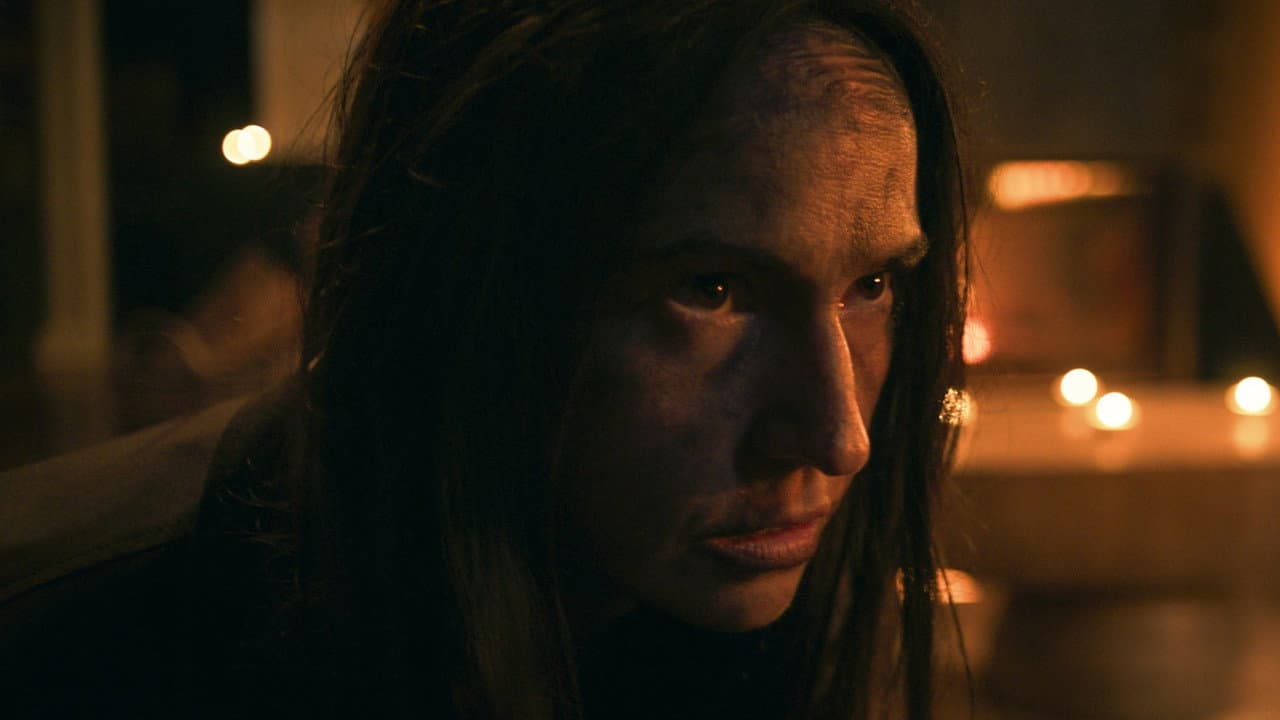
Niamh Hogan’s turn as the Dearg Due deserves particular attention. Drawing on Irish folklore’s most famous vampire - a figure born of grief and betrayal rather than simple bloodlust - Hogan plays the creature with a patient, almost maternal stillness. She doesn’t lunge. She waits. In a film populated by people who cannot stop performing, she is the one presence that never bothers to pretend. It’s a smart inversion: the monster is the only honest thing in the movie.
Van Belle wisely keeps the runtime tight. At 82 minutes, Feed has no room for the origin-story bloat that plagues so many modern horror films. It establishes its rules quickly, establishes its characters quickly, and then lets the tension do the heavy lifting. The forest itself becomes a character - dense, indifferent, and utterly without cell service. There’s a grim comedy in watching five people who have built their entire identities around being seen slowly understand that no one is watching, and that nothing is going to save them.
The film’s reception has been mixed but not dismissive. TMDb currently sits at 5.8 out of 10, a rating that suggests audiences are divided on whether Feed is a sly satire or simply a well-executed creature feature. In truth, it’s both, and the tension between those two modes is part of its charm. There are moments when the influencer satire feels a beat too broad - yes, we understand, they care more about posting than surviving - but those moments are balanced by sequences of genuine dread, particularly in the film’s final act, when the retreat’s carefully curated aesthetic gives way to something far older and considerably less photogenic.
What makes Feed worth your time isn’t its kills, though they’re effective enough. It’s the question at its center: what happens when a culture built on visibility encounters something that thrives in the dark? The influencers in Feed aren’t stupid. They’re just trained to believe that every situation can be managed, branded, and monetized. The Dearg Due is here to disabuse them of that notion.
For horror fans, Feed is a solid, smartly paced entry in the “isolated retreat” subgenre, elevated by a strong central performance from Collender and a genuinely unsettling turn from Hogan. For everyone else, it’s a sharp little fable about the cost of constant performance - and the price of being noticed by something that doesn’t care about your follower count. It won’t be the scariest film you stream this year. But it might be one of the most pointed. And at 82 minutes, it never overstays its welcome. In an era of bloated two-and-a-half-hour horror epics, that alone feels like a blessing.