It’s a peculiar kind of loneliness that hits on a holiday. The world has collectively decided to pause, to celebrate, while you remain suspended in your own private chaos. That’s the precise, uncomfortable space explored in May 1st, a new short film from writer-director-star Ryan Maher that arrives with a quiet, unassuming power. This isn’t a movie about the spectacle of crisis; it’s about the mundane, grinding reality of it - and the strange comfort of knowing the world doesn’t stop spinning just because you feel like you have.
Release Date & Where to Watch
Mark your calendars for today, August 3, 2026. May 1st has officially premiered on the OTT Stories platform, making it available for streaming right now for subscribers. There’s no theatrical rollout and no wide VOD release to track down; this is a digital-first piece of indie filmmaking, designed for the intimate, at-home viewing experience. Given its short runtime - currently listed as unknown, though the story unfolds with the brevity of a snapshot - it’s the kind of piece you can absorb in a single sitting, perhaps with the volume low and the lights dimmed. You won’t find it on the big multiplex marquees, but that’s precisely the point. It’s a discovery title, the kind of hidden gem streaming platforms are meant to unearth. If you have an OTT Stories subscription, it should be waiting for you in the new releases section as of today.
Cast & Crew
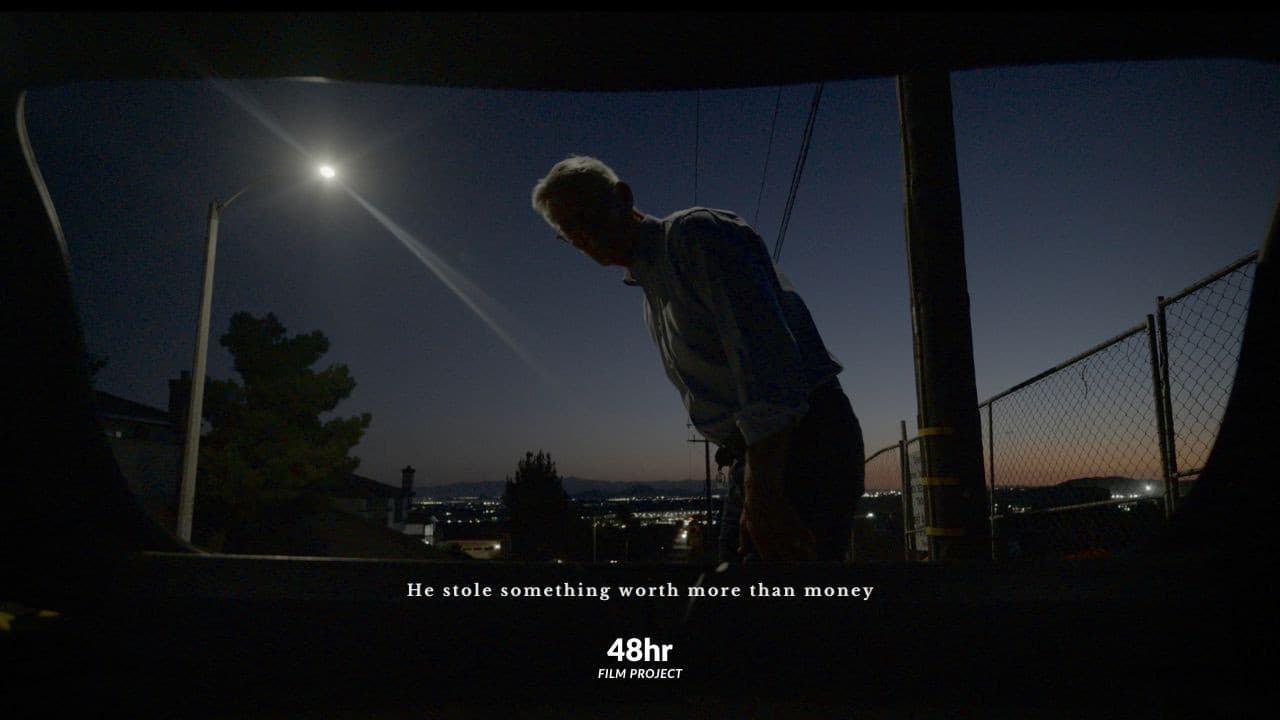
This is very much a passion project, driven by a singular vision. Ryan Maher wears the hats of director, writer, and lead actor, and that triple-threat role lends the film an unmistakable air of personal authenticity. Maher plays the unnamed man at the center of the storm, and his performance is the anchor of the entire piece. He’s not playing for melodrama; instead, he embodies a sort of hollowed-out fatigue, the feeling of being physically present but mentally miles away. His face carries the weight of the narrative, and the camera often lingers on him in a way that feels almost intrusive, challenging you to look away.
Opposite him is Kayley Yeung, who steps into a pivotal supporting role. While the synopsis focuses on the man’s internal struggle, Yeung’s presence represents the outside world - a point of contact, a potential lifeline, or perhaps just a reminder of normalcy he can no longer grasp. The dynamic between the two is crucial, and Yeung brings a grounded, empathetic energy that provides a necessary counterpoint to Maher’s turmoil. Her scenes are brief but resonant, hinting at a connection that feels both fragile and essential. Together, they form a two-person play of sorts, exploring the chasm between internal pain and external interaction. The chemistry is understated, but it carries the film’s emotional heft.
Story & What to Expect
At its core, May 1st is a slice-of-life drama that resists easy plot summaries. It doesn’t follow a traditional three-act structure with a clear inciting incident or a tidy resolution. Instead, it observes. The premise is almost deceptively simple: a man is struggling with his mental health, and we watch as life continues to move around him. The title itself is a temporal anchor, a specific date that should hold significance (International Workers’ Day, a day of collective action and celebration), yet for him, it’s just another day he has to survive.
Expect a film that prioritizes mood and atmosphere over dialogue. The sound design and ambient noise - traffic, distant conversations, the hum of a refrigerator - become characters in themselves, underscoring the feeling of being surrounded by life yet disconnected from it. There are long, contemplative shots. The pacing is deliberately slow, mirroring the lethargy of depression. You won’t get bombastic monologues explaining how he feels; instead, you’ll see it in the way he hesitates at a door, the way he stares at his phone without picking it up, the way the world outside his window seems to move at a different speed than his own interior state.
The narrative, such as it is, deals in small moments: a missed call, a half-eaten meal, an interaction with Yeung that could be a lifeline or just a courtesy. The film’s power lies in its refusal to dramatize the struggle. There is no breakdown, no screaming match. There is only the quiet, relentless weight of existing when it feels impossible. It’s a patient, observational story that trusts the audience to find the meaning in the silences and the empty spaces between actions. Maher is interested in the texture of a bad day, the specific texture of a mind at war with itself, and he renders it with unflinching, quiet honesty.
Why It's Worth Watching
In a streaming landscape dominated by high-concept thrillers and high-budget spectacle, May 1st feels like a deliberate, welcome antidote. It’s a small film with a big heart, and its value lies in its restraint and its willingness to sit with discomfort. This is not escapism; it’s acknowledgment. For anyone who has ever felt overwhelmed by the sheer momentum of the world while struggling to simply get out of bed, this short will resonate on a deeply personal frequency. It validates an experience that is often rendered invisible in cinema because it’s not dramatic enough for a trailer.
The film doesn’t offer solutions or platitudes. It doesn’t pretend to have the answer to the man’s pain. What it offers is a perspective, a brief, compassionate window into a state of being. Maher’s direction is confident and assured, showing a clear understanding of cinematic language to convey an internal state. The decision to keep the runtime ambiguous is fitting - the story feels like a fragment of a larger life, and it respects that the man’s story didn’t start when the camera turned on, nor will it end when it turns off.
It’s a starkly human work, anchored by a brave, vulnerable performance from its creator and a supportive one from Yeung. Watching May 1st is less like watching a movie and more like being given a quiet glimpse into someone else’s soul. It’s not an easy watch, but it is a memorable one, and it lingers long after the credits roll. For those looking for something real, something unvarnished, and something that treats mental health with the gravity and nuance it deserves, this is an essential stream today. It doesn’t hit you over the head; it simply whispers, and that’s exactly why it works.