There is a specific kind of dread that only a carnival at night can conjure - the hollow clatter of a ride winding down, the too-bright bulbs buzzing against the dark, the sense that everyone smiling at you knows something you don't. Vampire Carnival understands that feeling intimately. Justin Powell's new horror-romance, released on October 7, doesn't just use the fairground as a backdrop. It turns the whole thing into a velvet trap, and it invites you to step inside.
The film follows a young woman drowning in grief who wanders into a traveling carnival that has pitched its tents in her small town. What she finds there isn't comfort. It's seduction - slow, deliberate, and draped in as much pleasure as it is in deception. Powell, working from a script that leans into the genre's gothic lineage without ever feeling like a museum piece, builds the romance and the horror from the same material. The result is a movie that's less about jump scares than about the terrifying intimacy of being wanted by something you know is wrong.
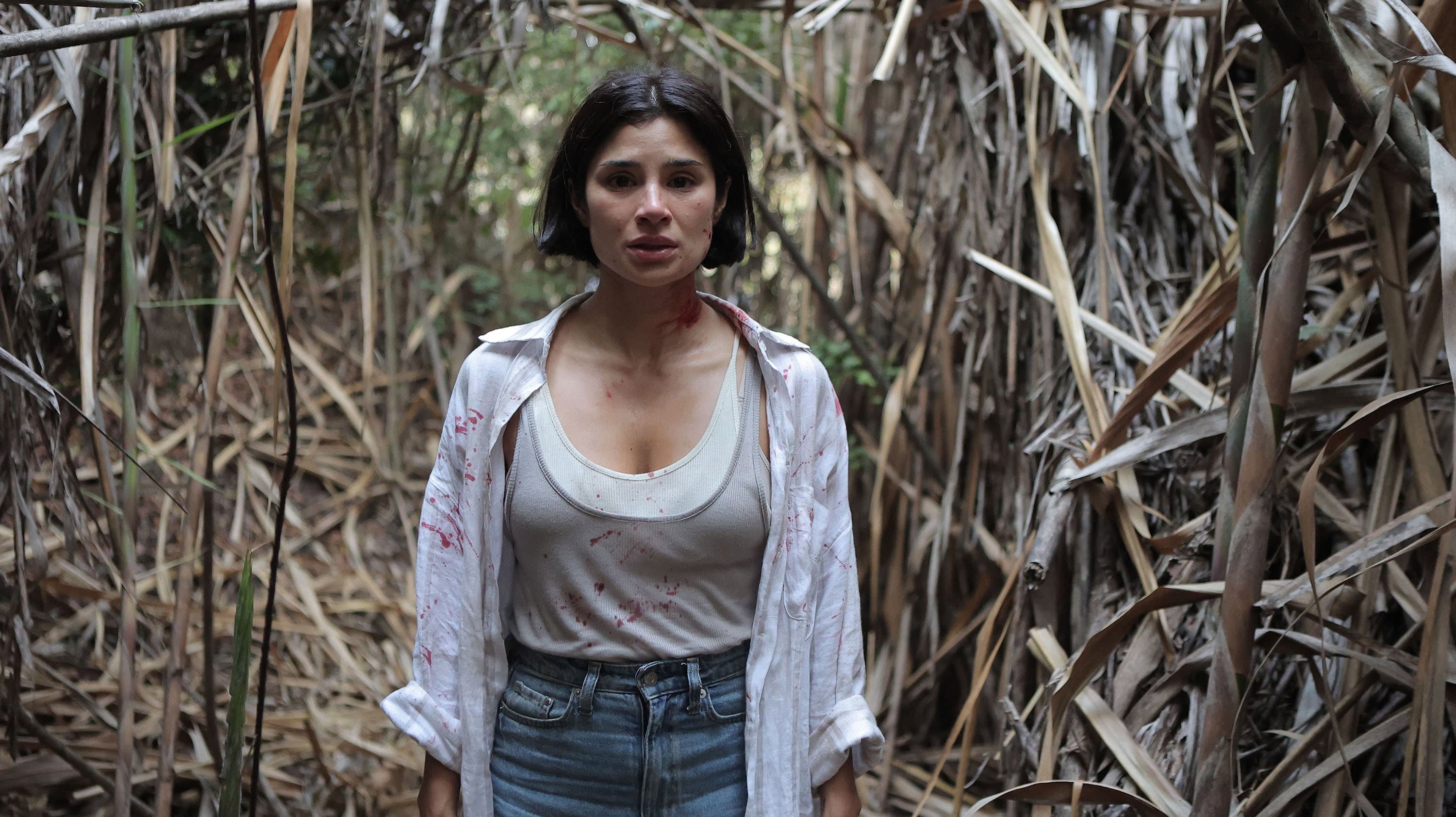
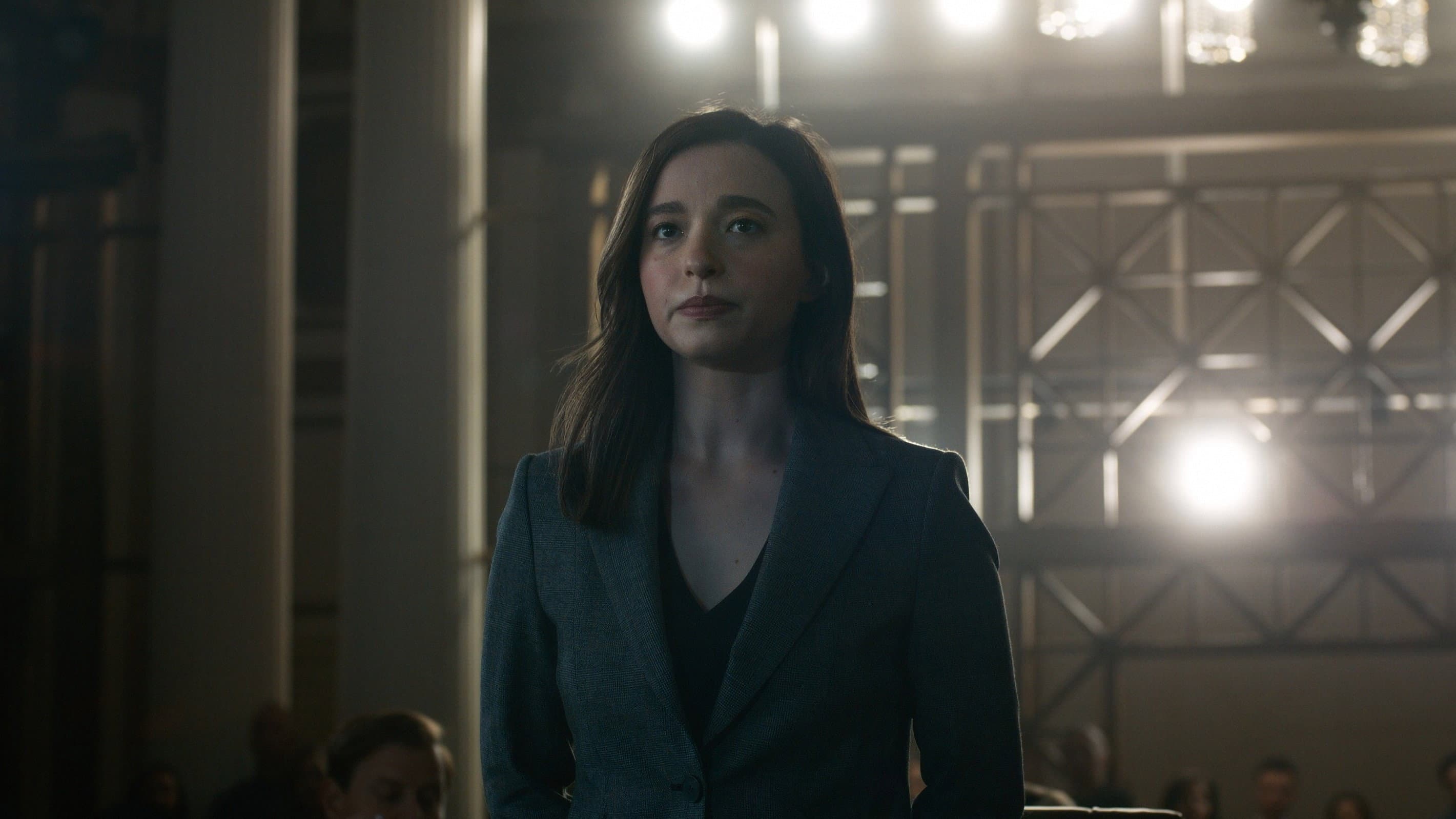
Nell Verlaque anchors the film as the grieving protagonist, and it's a performance that requires her to move through sorrow, curiosity, and complicity in the span of a single look. She's not a scream queen waiting for rescue. She's a woman making choices, and the film's tension comes from watching her make them. Opposite her, Jason Isaacs brings the kind of velvet menace he's perfected over decades - charming enough to make you forget the danger, precise enough to remind you of it when you least expect. Paulina Chávez, Kieron Moore, Eoin Macken, Alicia Sanz, and Cedrick Cooper round out a cast that gives the carnival its unsettling sense of community. Corrado Martini appears as Ryan, a character the film keeps deliberately close to its chest.
What's striking about Vampire Carnival is how it handles its dual genre identity. Horror-romance is a notoriously tricky blend. Lean too far into the romance and the horror feels like set dressing; lean too far into the horror and the romance becomes a liability. Powell avoids both traps by treating desire itself as the monster. The carnival doesn't need to chase anyone. It waits. It offers. And the film's most unsettling moments aren't the ones with blood - they're the ones where the protagonist realizes she's been enjoying herself.
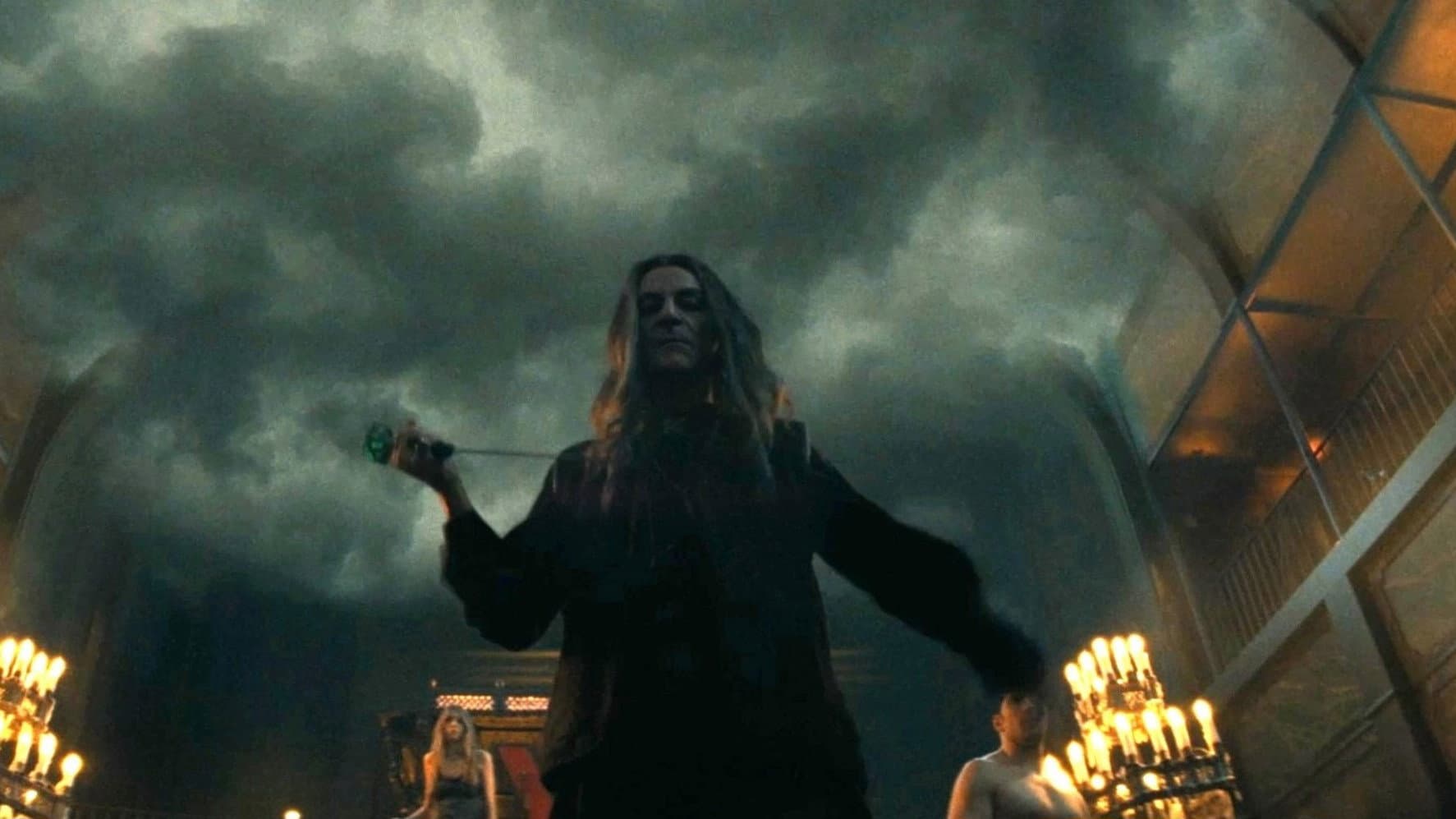
The production design deserves mention here, though the film wisely never lets its visuals overwhelm its emotional core. The carnival feels both timeless and specific, a place that could exist in any small town at any point in the last century. That ambiguity works in the film's favor, giving it a fable-like quality that makes the story feel larger than its setting.
Critical reception has been intriguingly split. On IMDb, the film sits at a respectable 6.5/10, suggesting that audiences who find it are largely getting what Powell is selling - a moody, character-driven take on familiar monsters. TMDb, by contrast, shows a 0/10 rating, which is the kind of number that usually means either a data glitch or a review-bombing campaign. Given the film's warm reception elsewhere, the latter seems more likely. Genre films with strong romantic elements and female leads still attract a certain kind of online hostility, and Vampire Carnival's refusal to apologize for its sensuality probably didn't help.
That split says something about the movie itself. It's not trying to be universal. It's trying to be specific - about grief, about desire, about the dangerous comfort of being seen by someone who might not have your best interests at heart. If that sounds like a metaphor for something beyond vampires, well, Powell seems smart enough to know it.
At a time when so much horror is built around trauma as a puzzle to be solved, Vampire Carnival treats it as an atmosphere to be inhabited. The film doesn't explain its protagonist's pain. It lets her sit in it, and then it offers her a way out that might be worse than the pain itself. That's a braver approach than it might sound, and it makes the film's October 7 release feel well-timed - not just for the season, but for a moment when audiences seem hungry for genre work that trusts them to feel their way through.
Vampire Carnival is now streaming. Bring someone you trust. Or don't. The carnival doesn't care either way.