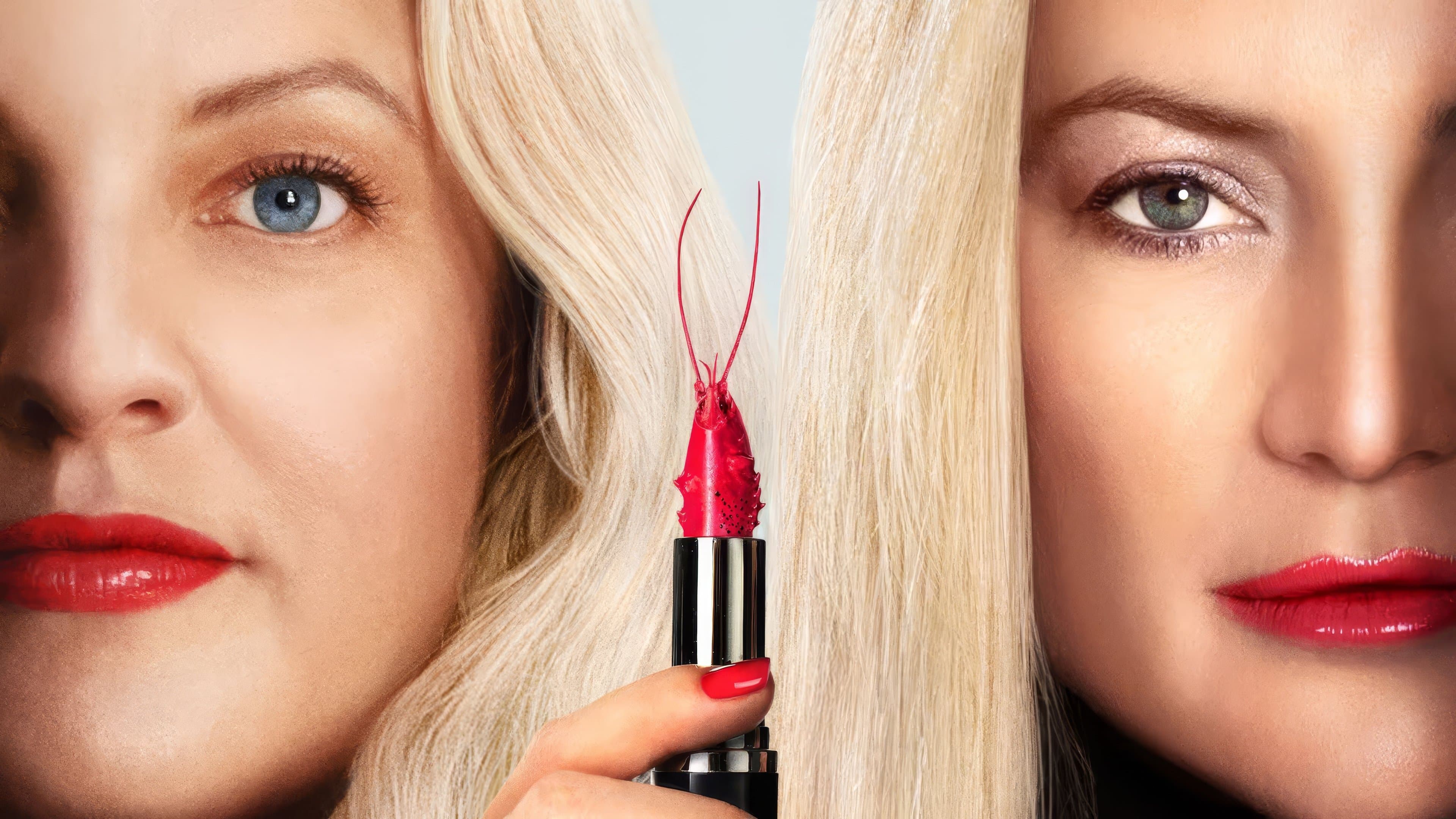
There is a specific, queasy dread that comes from watching a beautiful person smile and realizing, a beat too late, that the smile is a strategy. Max Minghella’s Shell, which landed on streaming this month after a muted theatrical run last October, runs on that dread for 102 minutes, and for a good stretch it is genuinely unnerving. The film casts Elisabeth Moss as Samantha Lake, a onetime screen favorite whose career has curdled into unanswered calls and pitying glances. Desperate to claw her way back into the conversation, Samantha accepts an invitation to the inner circle of Zoe Shannon (Kate Hudson), a wellness guru whose brand of gleaming, sun-drenched serenity has made her very rich and, in certain corners of the internet, very suspect. What Samantha finds beneath that flawless surface is the monstrous truth the marketing materials coyly promise, and Minghella, working from a script that owes a clear debt to the body-horror and paranoid-thriller traditions, takes his time cracking it open.
Hudson is the reason to press play. She has always been an underrated performer, her comedic timing taken for granted, but here she weaponizes her own movie-star warmth. Zoe’s voice never rises above a soothing murmur; she touches people constantly, gently, possessively. It’s a performance of cultivated calm, and Hudson lets you see the calculation humming underneath it, the way her eyes track a room and price it. Opposite her, Moss does the jittery, nerve-frayed intensity she has perfected across a decade of roles, and the pairing works because the two women are playing entirely different genres. Samantha thinks she’s in a comeback drama. Zoe knows they’re in a horror film.
The supporting cast is stocked with smart choices. Kaia Gerber, as the young acolyte Chloe Benson, is eerie precisely because she seems so blank, a young woman scrubbed of any interiority and grateful for it. Arian Moayed brings a plausible, slightly oily professionalism to Dr. Hubert, the sort of physician who attaches himself to wealthy visionaries and asks few questions. Este Haim appears as Lydia, and Elizabeth Berkley, in a nicely acidic turn, plays Jenna Janero, a former peer of Samantha’s whose loyalty is available to the highest bidder. Amy Landecker’s Detective Flores drifts through the margins with the weary patience of someone who has seen this story end badly before.
Where Shell stumbles is in the final act, when the monstrous truth arrives and turns out to be neither as strange nor as disturbing as the slow-burn hints that preceded it. Minghella has an excellent eye for the aesthetics of contemporary wellness culture - the filtered light, the linen, the language of “detox” and “alignment” that sounds like a cult recruitment script - and he understands that the most frightening thing in the world can be a room full of people who are absolutely certain they are getting better. But the reveal he builds toward is a familiar one, and the film’s attempt to push into full-bore horror feels less like escalation than like a loss of nerve, trading the queasy ambiguity of its best scenes for something more literal and less memorable.
It doesn’t help that the film’s reception has been brutal. A TMDb rating of 4.971 out of 10 and an IMDb score of 4.9 suggest audiences came expecting a different movie - perhaps a campier, more propulsive thriller - and left cold. That’s a shame, because there’s real craft here, particularly in the production design and in the way Minghella shoots female friendship as a kind of negotiation, a transaction dressed up as intimacy. The film’s central question - what does a woman owe of herself to be loved, and what happens when she stops paying - is a serious one, and Moss and Hudson are more than capable of carrying it.
Shell isn’t the discovery it might have been, and its low marks will keep it out of the year-end conversation. But as a Halloween-season curiosity, a two-hander about the seduction of self-improvement and the cost of wanting to be seen again, it has teeth. Hudson, in particular, deserves to be remembered come awards season in a just world, though this is not a just world, and streaming audiences tend to move on fast. Still, there is a moment late in the film - a long, unbroken shot of Zoe smiling into a mirror while Samantha watches from across the room - that lingers longer than the plot deserves. It’s the image Minghella is really after: the performance of wellness, reflected back at itself, giving nothing away.