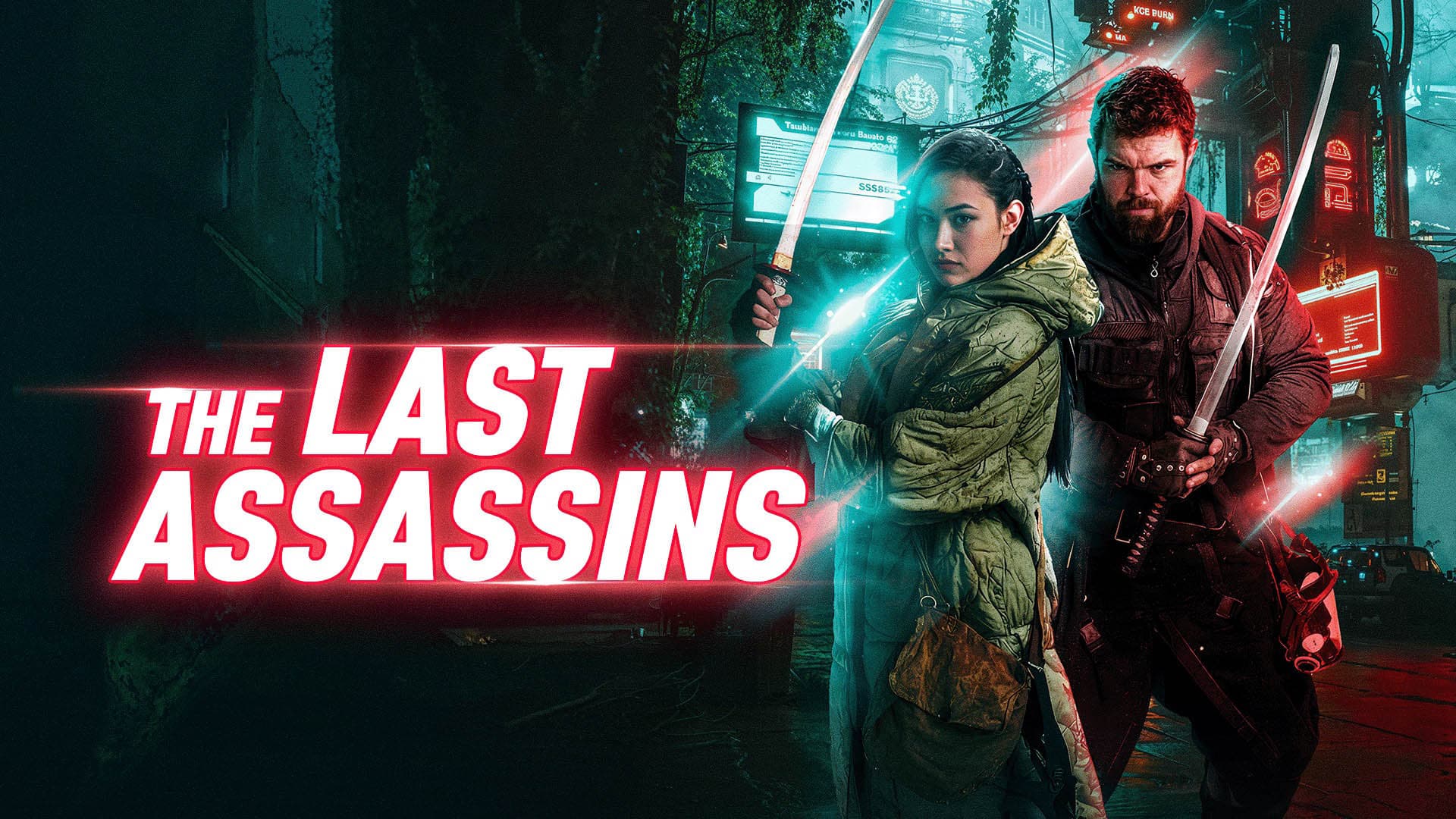
The world has ended, but the mail still has to get through. That's the grim, oddly tender premise of The Last Assassins, a science fiction chamber piece that arrived on streaming platforms on August 11, 2026, after a quiet theatrical run. Directed by James Anthony Usas, the film strands two people in an endless winter and a fog thick enough to swallow sound, then asks them to keep walking anyway.
The premise is elemental. Nobel, played with a weary solidity by Josh Bainbridge, has sworn an oath to protect a family that is nearly extinct. When the girl's father is killed, Nobel becomes the reluctant guardian of a child known only as The Kid, portrayed by Athena Park with a watchfulness that feels older than her years. His task is simple to state and nearly impossible to execute: deliver her to an aunt she has never met, across a landscape that offers nothing but cold and the constant threat of violence.
That violence gives the film its title, though "assassins" is a looser term here than genre fans might expect. The bandits who stalk the pair, among them Morgan Bedard's memorably named Short Fat Bandit and a rotating crew of pirates and killers played by Matt Lishman, are less a organized guild than scavengers circling whatever warmth remains. Usas shoots them the way he shoots the fog: as a condition of the world rather than a plot device. The result is a road movie with the pulse of a thriller and the patience of a parable.
What lifts The Last Assassins above its familiar post-apocalyptic furniture is the abandoned laboratory at the story's center. When Nobel and The Kid finally arrive, they find holograms waiting - recorded echoes of the family Nobel pledged to defend. Donno Mitoma appears as the Patriarch, and Lora Burke as Metiseaya, in sequences that function as both exposition and elegy. The dead speak, but they cannot touch. The film's central question arrives quietly: can the digital world become physical? And the answer, it suggests, may rest with the young woman Nobel has been dragging through the snow.
It's a heady idea for an 84-minute film, and Usas doesn't always land it. The pacing sags in the middle stretch, and some of the supporting performances tip toward caricature - Verlyn Plowman's shop owner and Justyce Bieuz's young man get little room to register. A 5.2 out of 10 rating on TMDb reflects that unevenness; this is a movie that divides the people who find it, which is often the fate of ambitious micro-budget science fiction.
But there's real conviction here. The production design makes the fog feel like a character, and the sound team deserves credit for a mix that turns muffled footsteps into dread. Bainbridge plays Nobel without vanity, a man whose heroism is mostly stubbornness. Park is the revelation, giving The Kid a stillness that reads as trauma rather than blankness. Their chemistry is not warm - it's transactional, then grudging, then something closer to family, and the film earns each shift.
Usas, working in English and within the Hollywood independent space, is clearly more interested in myth than in mechanics. He never explains the winter. He never explains the fog. The holograms are treated as a kind of scripture, and the film's final act leans into ambiguity in a way that will frustrate viewers who want answers and reward those who don't. Whether the digital can become flesh is left as an open hand, not a closed fist.
That restraint is admirable, even when the execution wobbles. The Last Assassins is not a great film, but it's a distinctive one - a winter story about memory, inheritance, and the stubborn act of keeping a promise to people who are already gone. In a streaming landscape crowded with louder apocalypses, it whispers. Sometimes that's enough.
For viewers who like their science fiction haunted rather than explained, it's worth the trip through the fog. Just bring a coat, and don't expect the sun to come out.